LP (180 Gram)
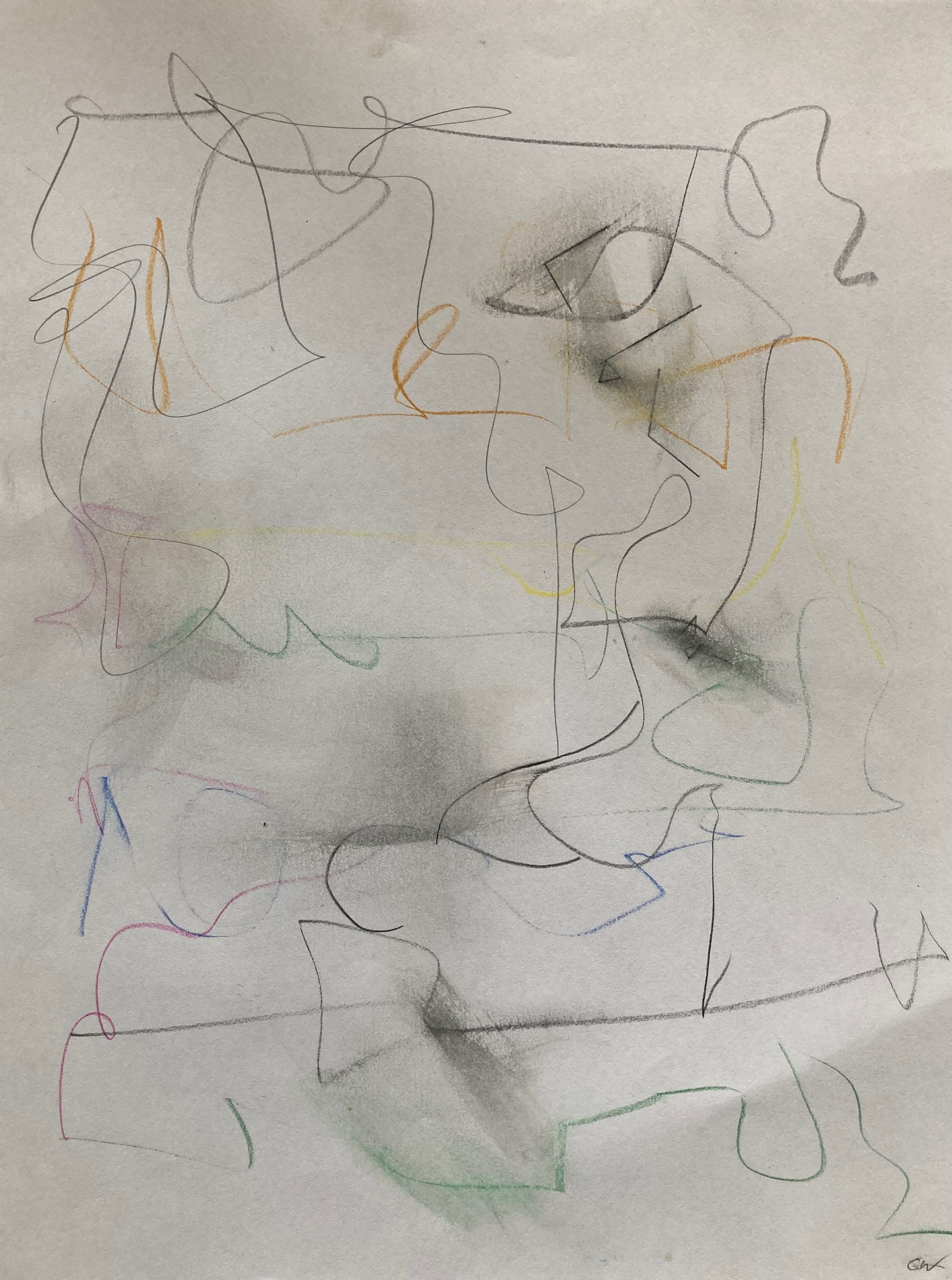
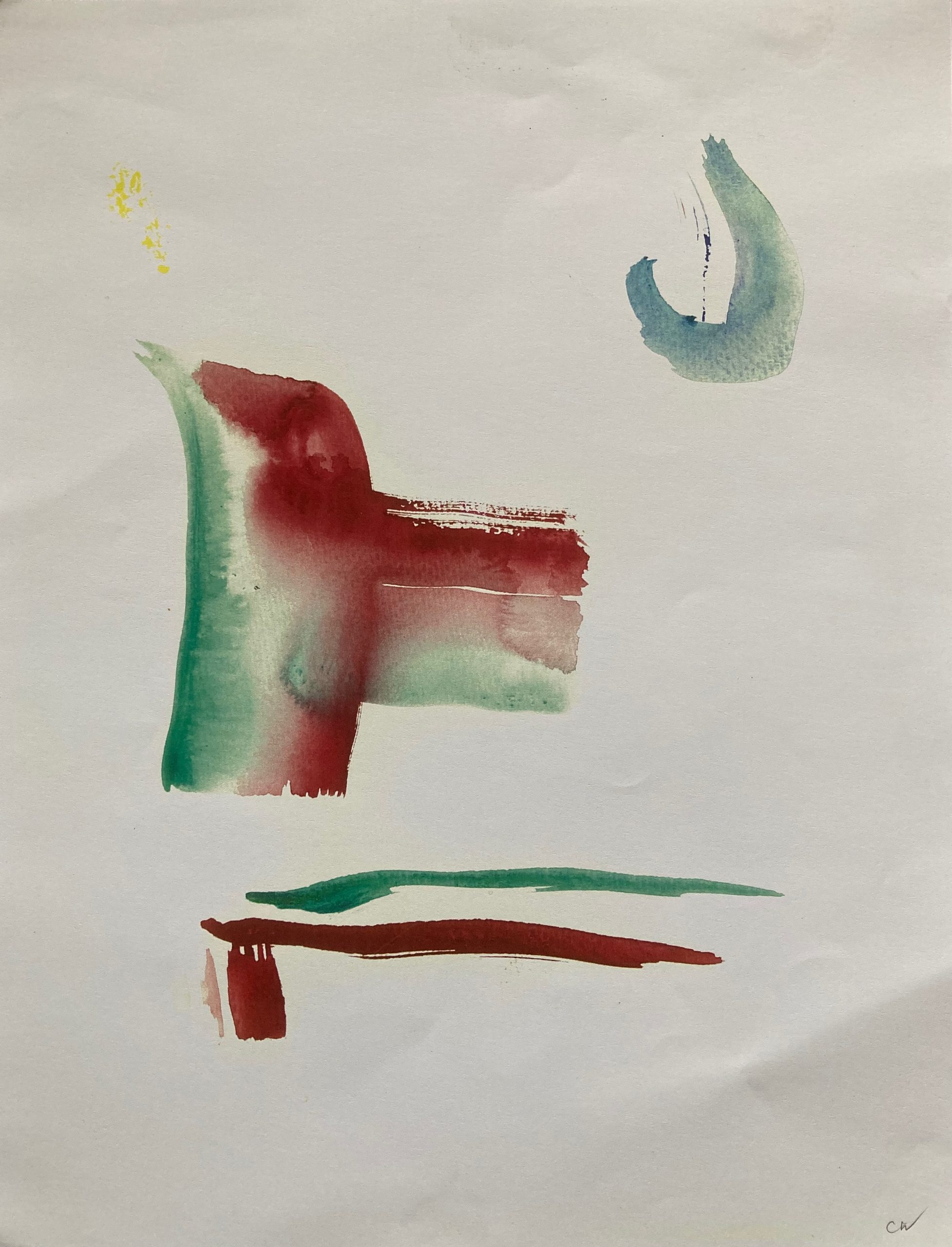
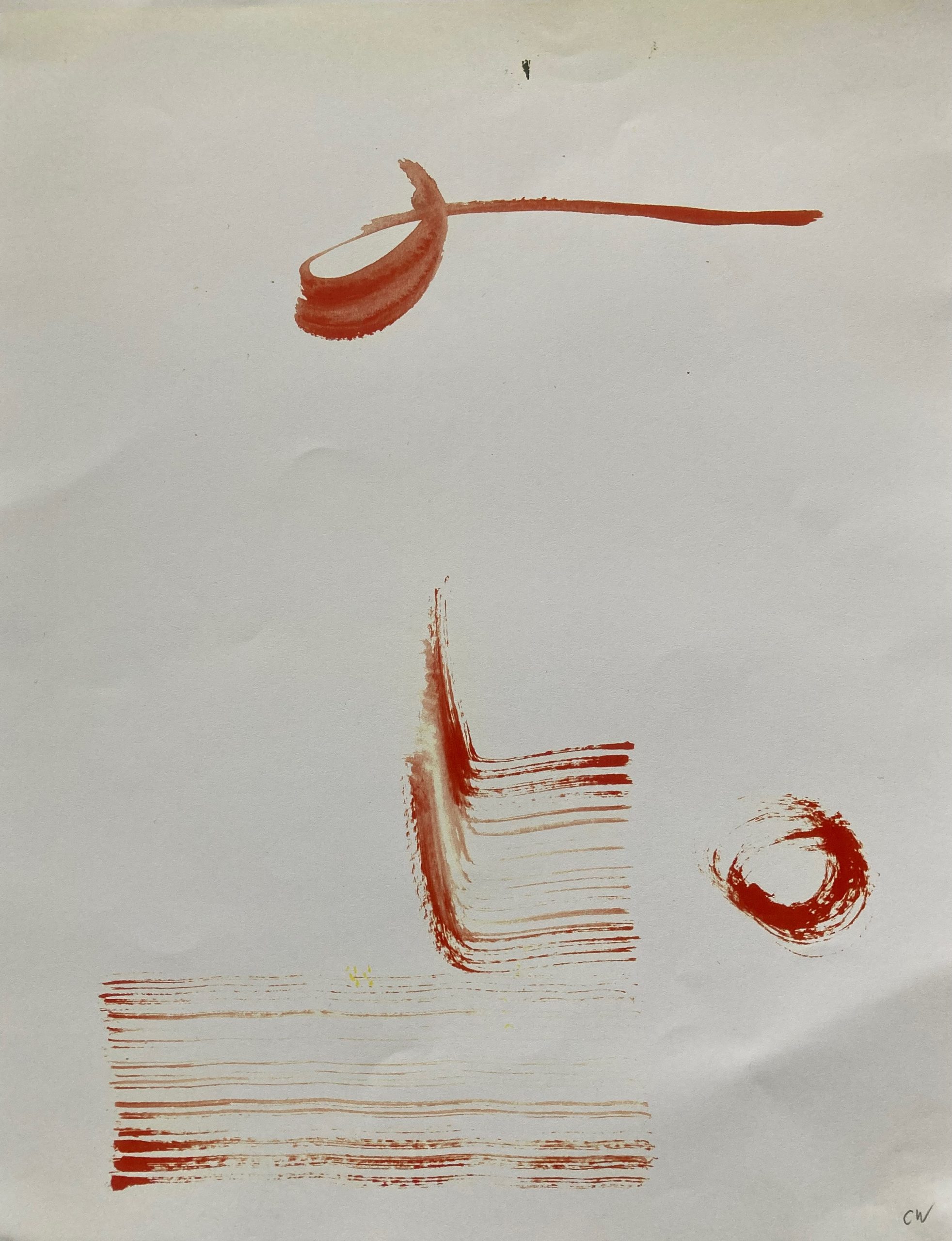
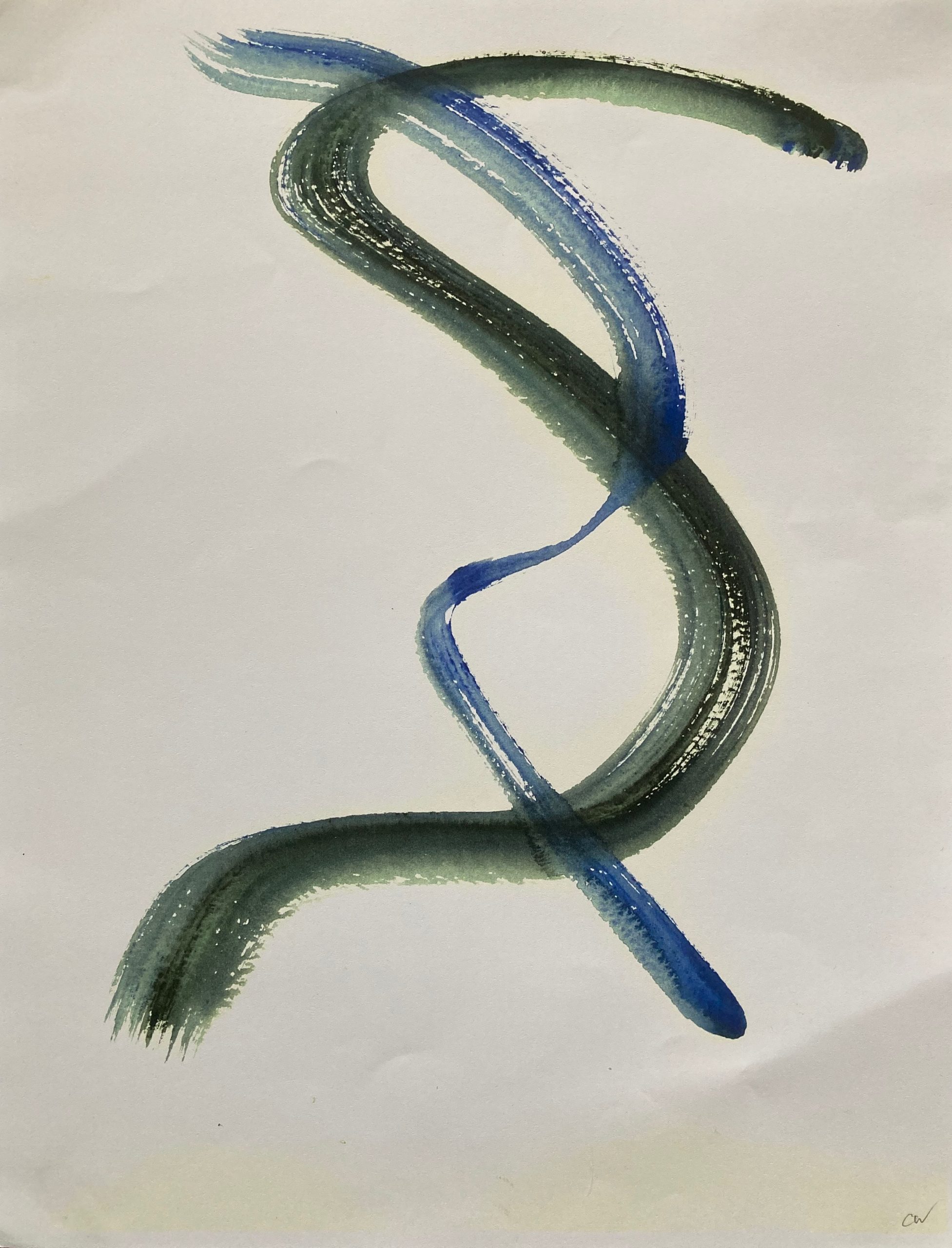
Artwork by Christian Wolff
Numbered & signed edition of 25 ex.
d’or093
Date of Publication: 21 September 2026
This is the first time that the music box music by the legendary avant-garde composer Christian Wolff is published.
Astres d’Or is proud to publish this unique LP together with artworks on print by Christian Wolff.
The five music box pieces contained in this LP are especially written for Astres d’Or and performed by Joseph Kudirka. The LP is housed in a gatefold sleeve and is signed and numbered in an edition of 25.
~
Christian Wolff (1934) studied piano with Grete Sultan and, briefly, composition with John Cage. Mostly he is self-taught as a composer. He has also been active as an improviser, with, among others, Takehisa Kosugi, Christian Marclay, Ikue Mori, Eddie Prevost, Keith Rowe, and Steve Lacy. He was part of the so-called New York School (with Cage, Feldman, David Tudor and Earle Brown), and close to Frederic Rzewski and Cornelius Cardew. He was long active with Merce Cunningham and his dance company. His music currently embodies some 270 items, is published by C. F. Peters and much of it is recorded on over 76 publications. In 2022 Astres d’Or was the first to publish his ‘A Complete Anthology Of Solo And Duo Violin Pieces’. Followed by ‘Line Excercise’ also in 2022. In 2024 Astres d’Or published ‘Trio XIII’. christianwolffmusic.com
Joseph Kudirka (1978) is a composer and performer of experimental music, focusing on composed chamber music, but also with toes in folk/pop music, electronic music, improvisation, and installation. Some musicians he’s composed works for include Tom Buckner, Rhodri Davies, Anton Lukoszevieze, Sebastian Berweck, and Rebecca Lane. As a performer, he’s premiered works by Christian Wolff, Maya Verlaak, Antoine Beuger, Michael Maierhof, Eva-Maria Houben, and numerous others. He is a member of various ensembles, including The Jack Chicks, Sparrows Ensemble, BAKU, and panomorph. He holds degrees in composition from Northwestern University (BM), CalArts (MFA), and the University of Huddersfield (PhD), having studied with Michael Pisaro, Alan Stout, James Tenney, and Bryn Harrison. He likes cats, looking for records at flea markets, old science fiction films and television, vintage string instruments, and the places where these intersect.
~
When Christian asked me to work on this LP project, I didn’t know what he would send, and when he sent me the score to “Music Box Music 2,” I was a bit daunted by the scope. However, as I worked on the piece, the scope became even greater. From my (and our?) initial idea that it would be one side of an LP, it quickly became clear that the material was enough for an entire album.
The score consists of 38 sections, ranging in length from just a single bar of music to nearly a page, with some sections having discrete modular parts (a, b, c, etc.). As with much of Christian’s music, these parts also feature various types of notation. Though some explicit limitations are laid out in the score, the composer also notes that the material “can be freely and variously used[.]” I took this license quite liberally to create what I feel works as a complete program within the scope of the album format.
After initial consultations with Christian about what “works” or doesn’t and simple questions about notation, as are normal between composers and performers when working on new work, he stated that he would like – to paraphrase – to display all of the possibilities of the music box as an instrument. Apart from the score itself and my own musical inclinations, this gave me a goal to pursue when working on the piece.
The 38 elements of the score are obliquely divided into five sections, numbered in roman numerals I – V on the score, with no prescribed meaning. I used these markings to break the piece into five sections, or movements, striving to give each its own character. To this end, I used a different music box mechanisms for I, II, and III, each with their own subtle difference in character and sound (a secondary, smaller diatonic music box is also used in sections I and V). Likewise, where unprescribed noises are called for in the score, I used a different instrument for the first three movements; a cymbal, a triangle, and bell plate, respectively. Apart from this, these two latter movements use a subset of the techniques of playing and distribution of material used in I. As IV dispenses with percussion, I used a different playing technique for the music box, developed by students of Mareike Lee at CityLAB:Berlin, with whom I have given workshops with around creating their own music box pieces; by pulling the paper through by hand, a much greater speed is possible than by using the crank, though accuracy of triggering notes decreases. As such, the material is repeated in different permutations, so that all possibilities of each individual pattern may be revealed, though always in different combinations. V introduces more new material while also incorporating all of the sounds and techniques from the earlier movements as well as incorporating many of the musical patterns from the earlier sections, ending with what I hear as a rather solemn chorale, which is also the last of the 38 elements in the score.
While comprehensive of all of the provided material and broad in scope in terms of the presentation of different possible combinations of the material and ways to present them, the recording is far from definitive. That is, there are innumerable other ways the material could have been combined and presented. In the roughly two years between receiving the score and completing this recording, I went down many more paths with the material that I abandoned than I used. This recording is simply how I chose to present the work at this time for this format.
Joseph Kudirka
Berlin, September 4, 2026
~
Christian Wolff ~ Five Little Pieces For Music Box
Performed by Joseph Kudirka
Face 1
Piece I (12:08)
Piece II (4:00)
Piece III (4:05)
Face 2
Piece IV (2:00)
Piece V (9:49)
All music composed by Christian Wolff, 2025.
All music performed by Joseph Kudirka, 2026.
All music recorded by Joseph Kudirka.
All music mixed and mastered by Jaike Stambach.
All vinyls manually cut by Astres d’Or.
~
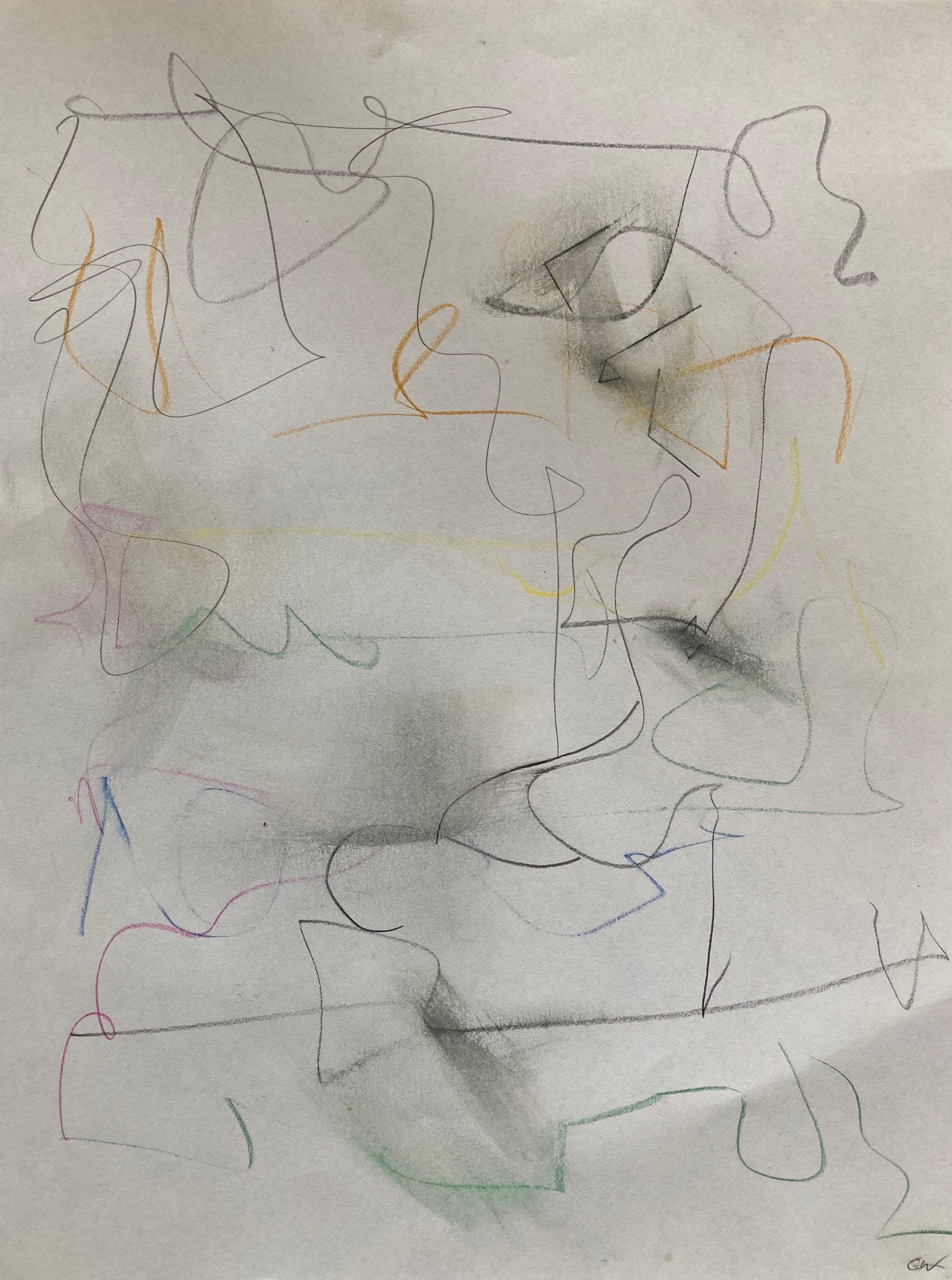
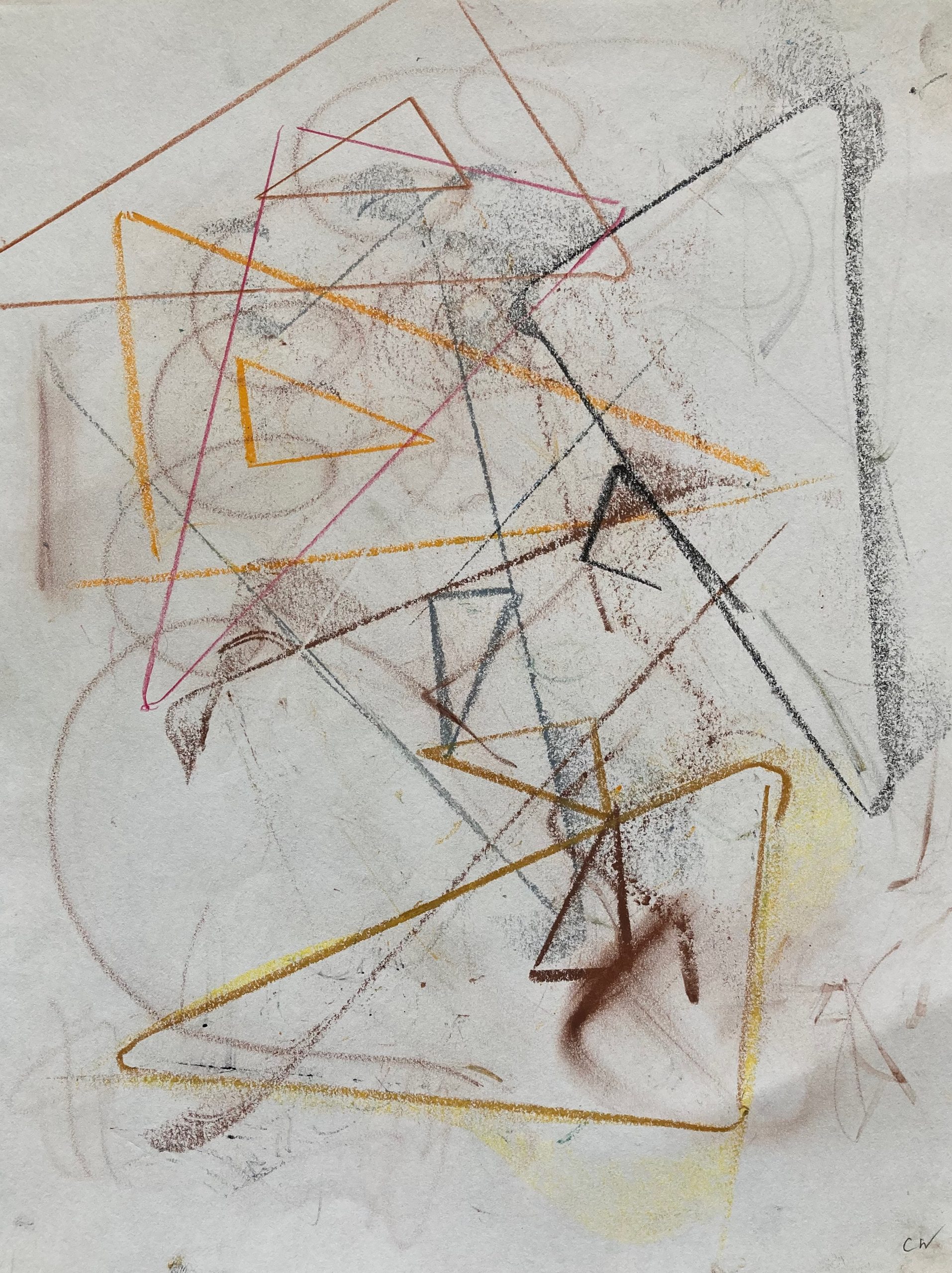
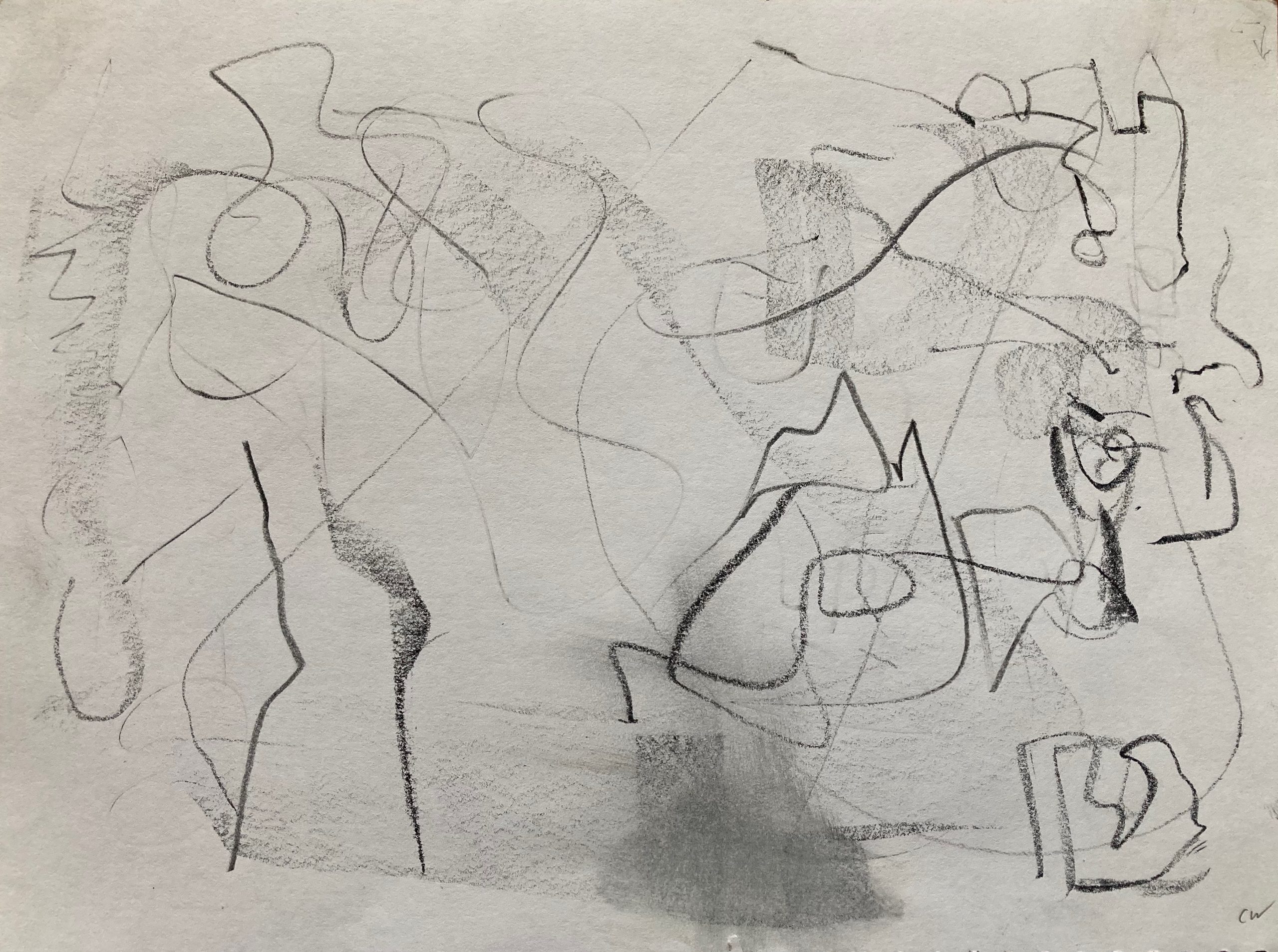
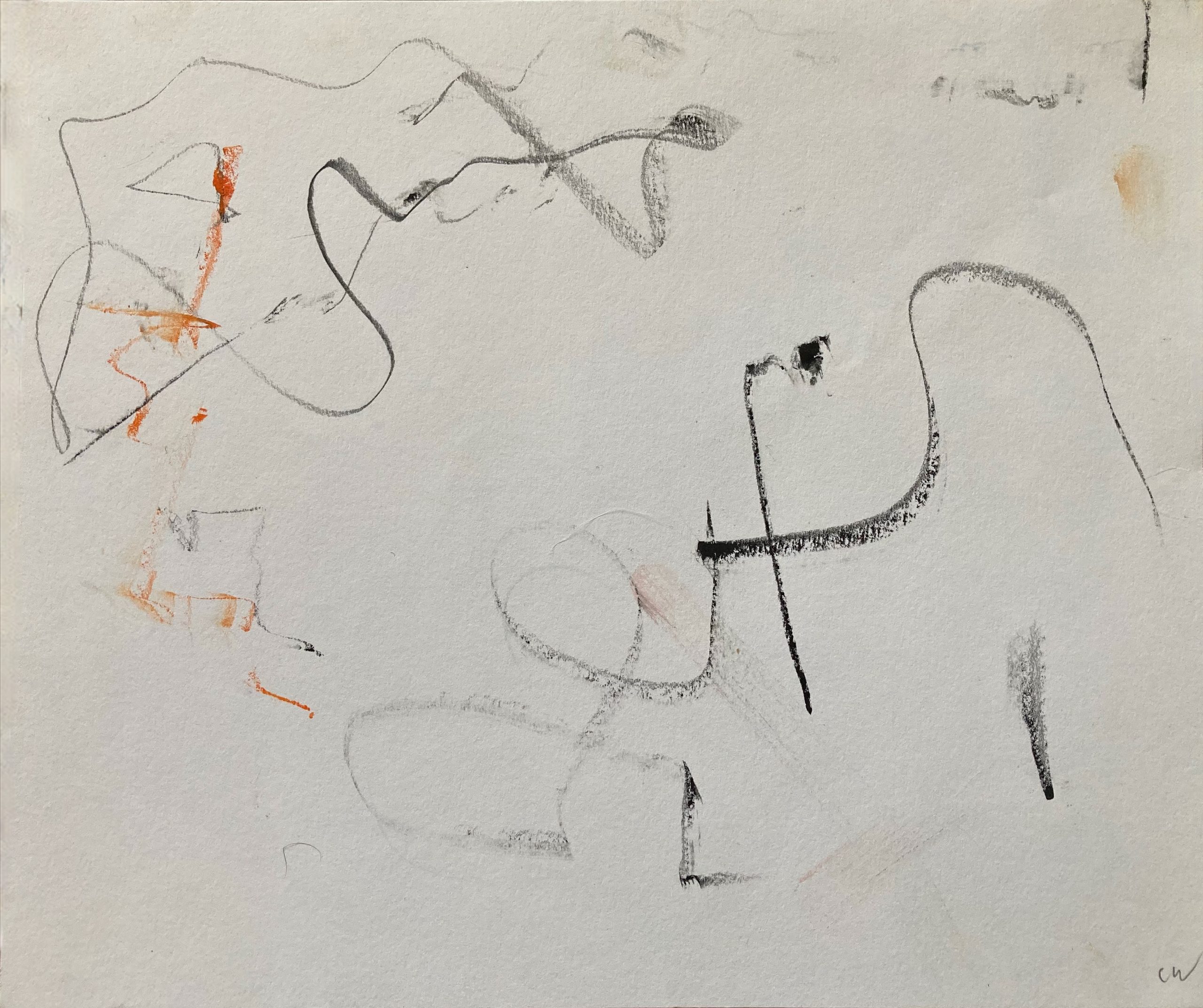
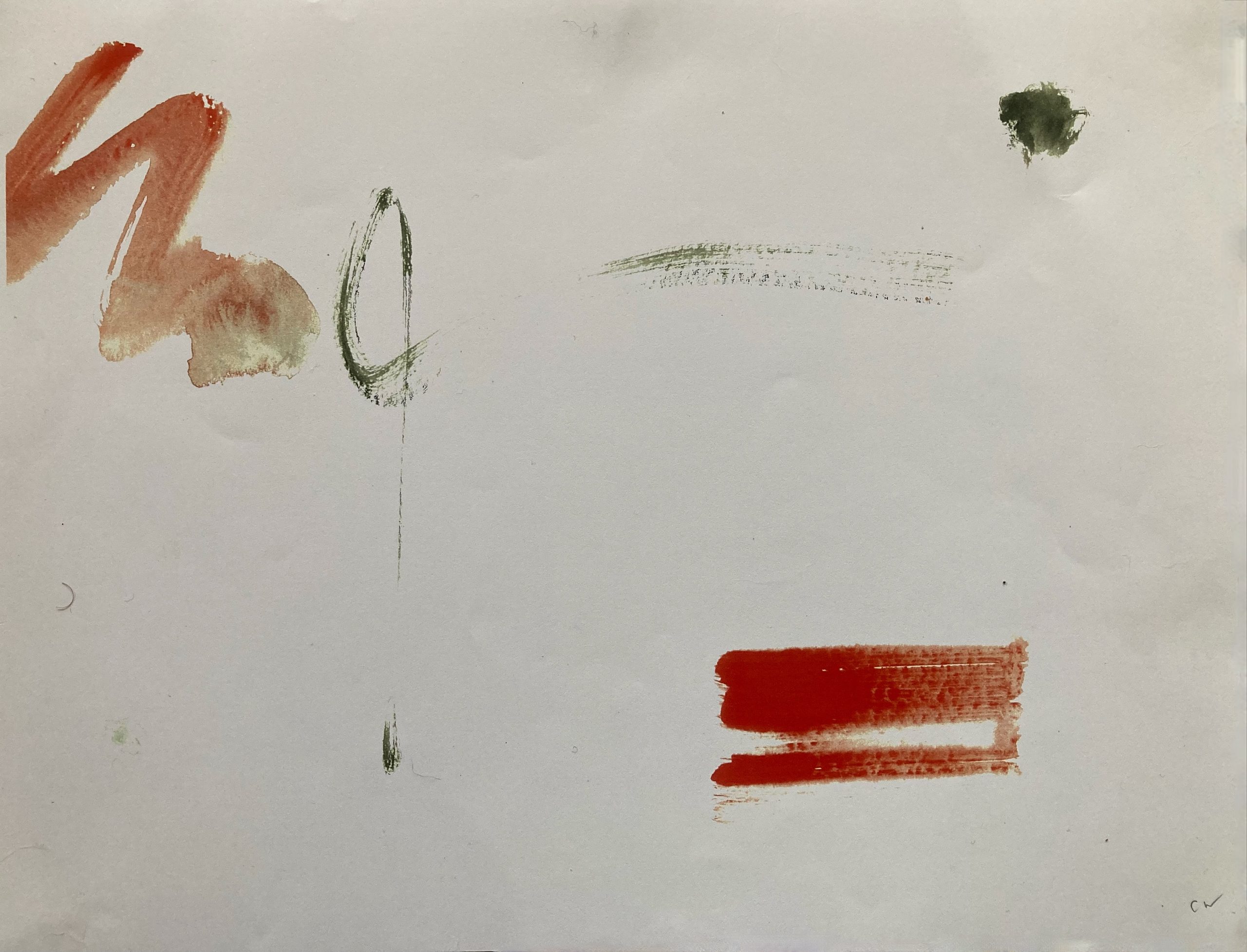
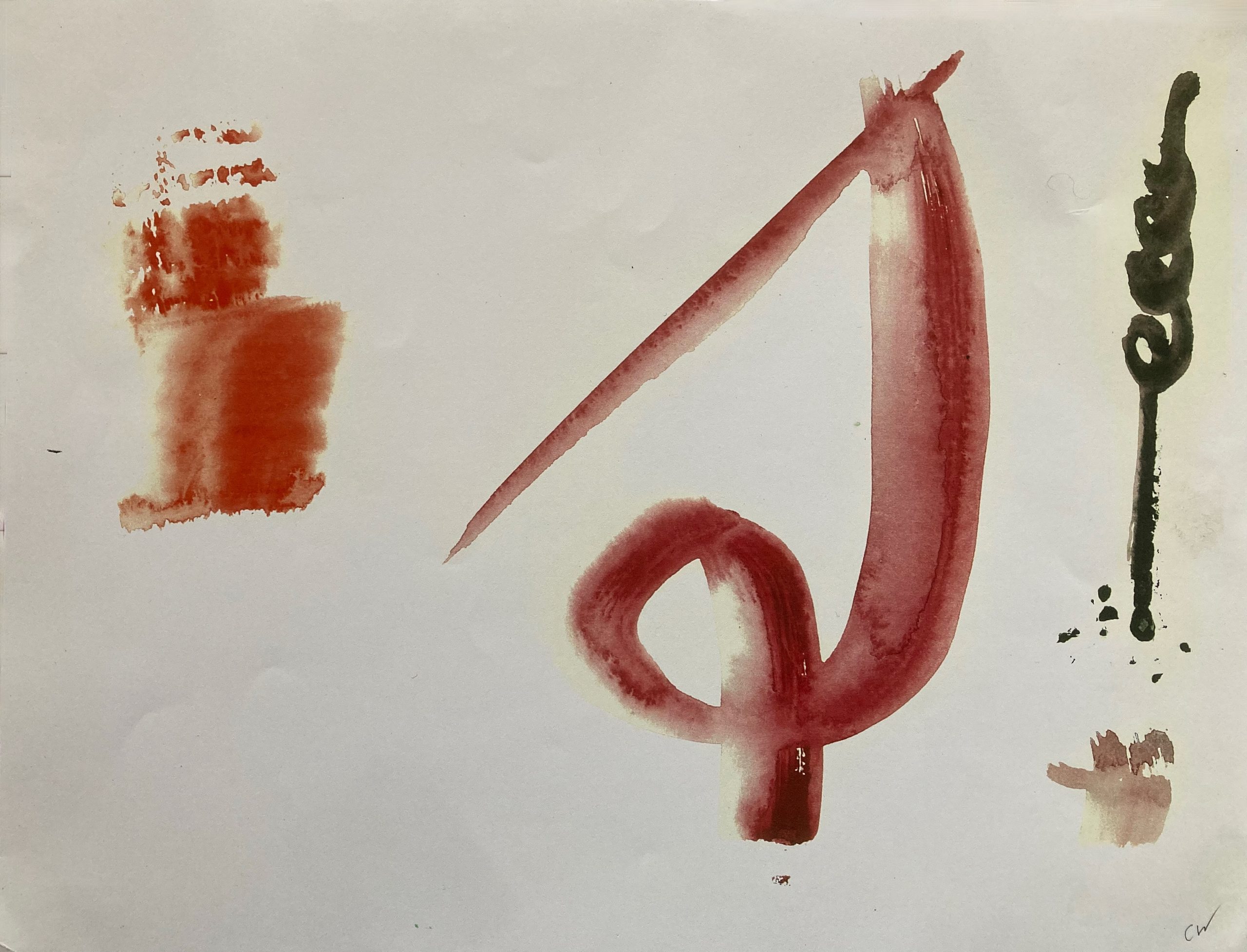
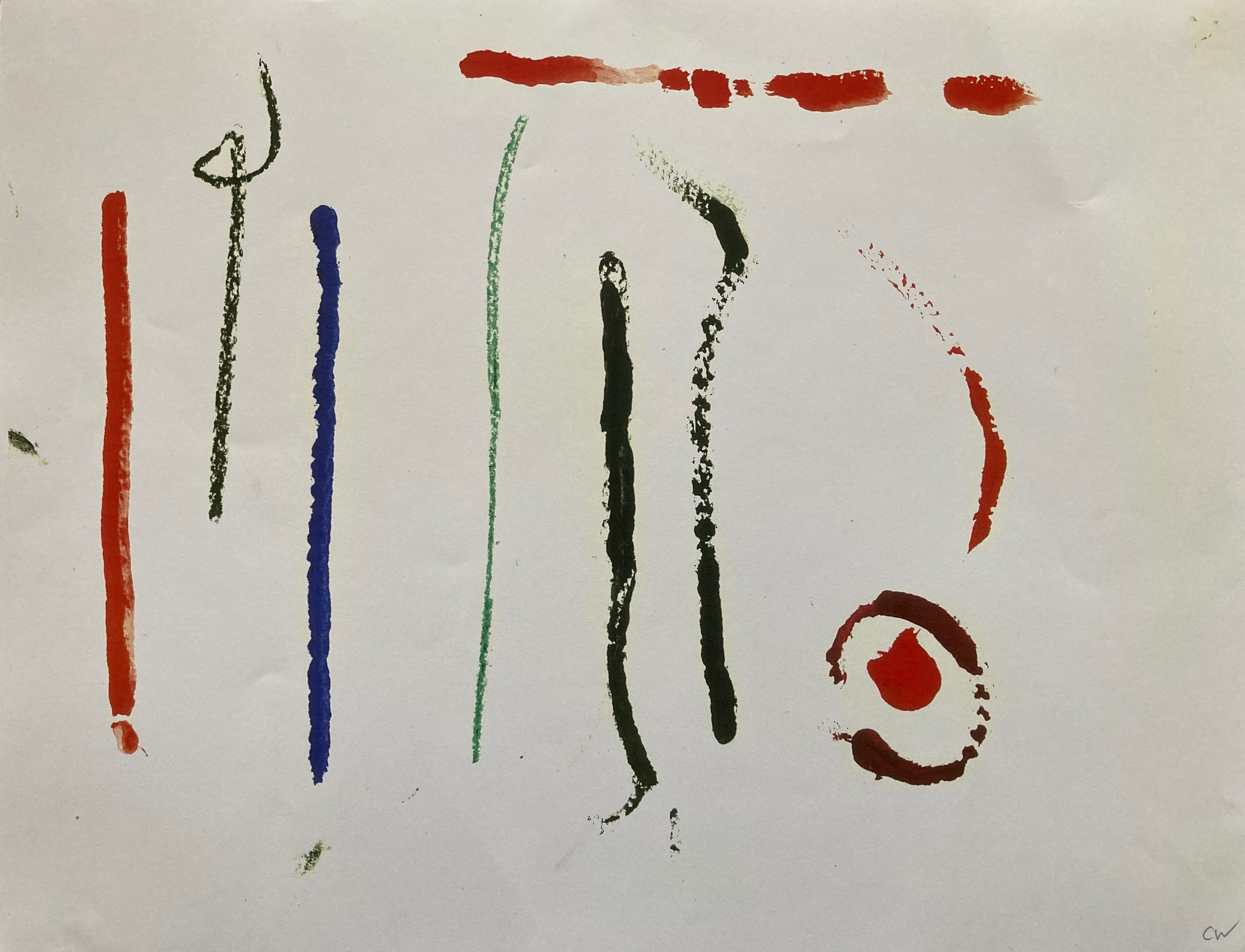
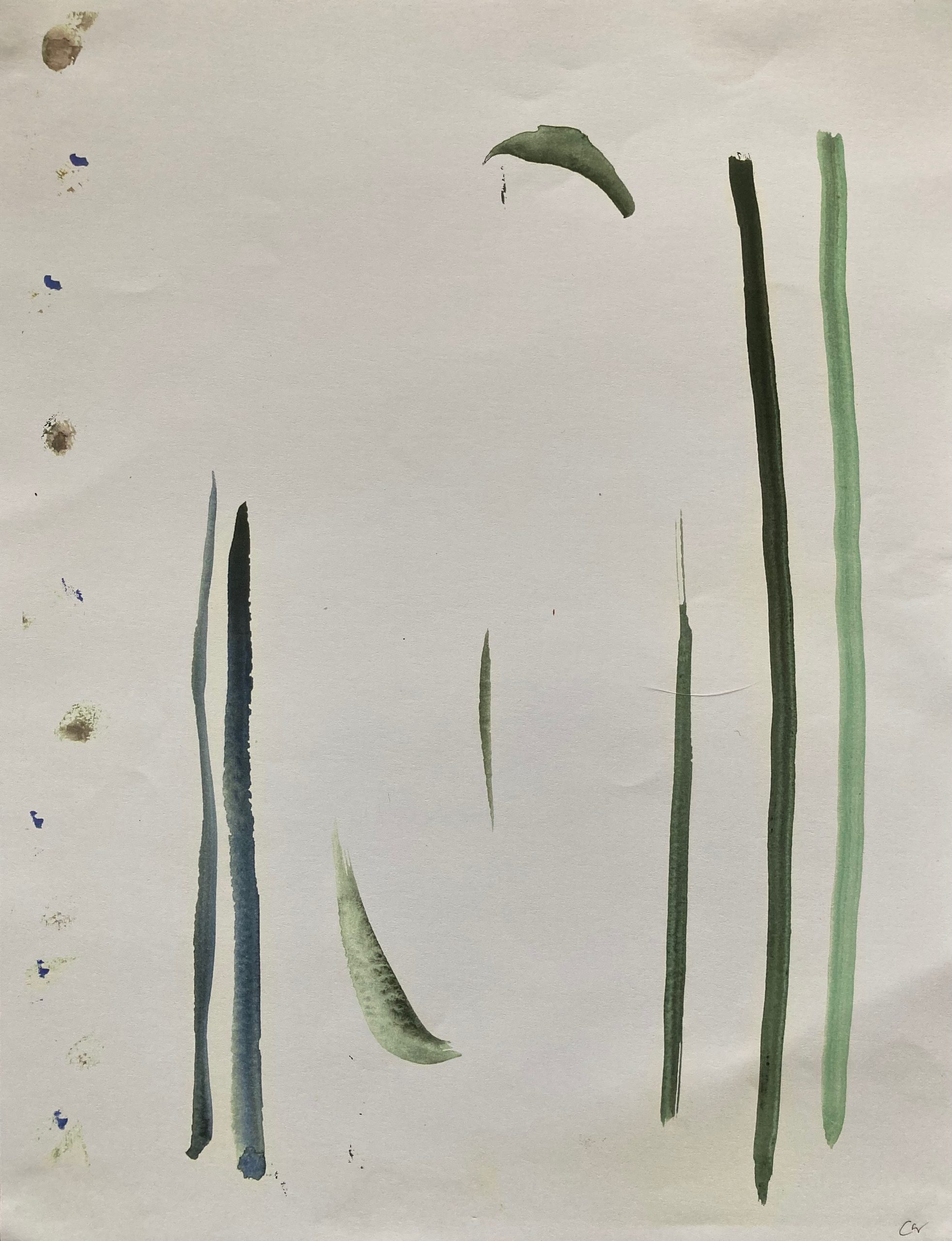
Artwork description:
Prints of pencil and watercolor drawings by Christian Wolff. With signature.
~